
The global competition to build AI infrastructure is, at its base, a competition for electricity. The models that power AI applications — large language models, computer vision systems, recommendation engines — require enormous computational resources to train and run, and those computational resources require enormous amounts of power to operate. The race to build hyperscale AI infrastructure is, in practical terms, a race to find sufficient electricity in sufficient quantities in locations where large-scale construction is feasible.
This race is being run by every major technology company in the world, and by national governments that have recognized AI capability as a strategic priority. The United States, China, the European Union — each is investing in the infrastructure that will determine which nations and which companies lead the AI economy of the next decade.
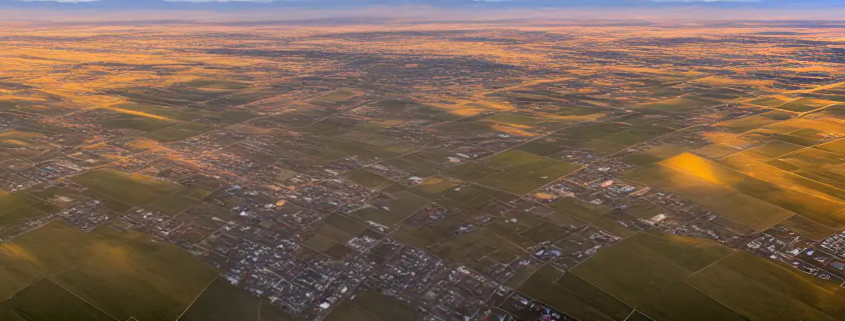
Imperial Valley is positioned to be part of the American answer to that competition. It has the power. It has the land. It has the grid independence. What it currently lacks is the institutional alignment that allows these advantages to be converted into actual data center construction.
The Power Math
A competitive hyperscale AI training facility operates in the hundreds of megawatts. The IVDC is designed for 330 MW — substantial, but not unusual for the current generation of AI infrastructure investment. Microsoft, Google, Amazon, and Meta are each committing to data center campuses of this scale and larger. The question for site selection is always the same: where is there 300+ megawatts of available, affordable, reliable power with a viable path to interconnection and development?
In California, the honest answer is very few places. CAISO territory is constrained. Coastal locations are expensive. The regulatory environment for large industrial users in populated areas is challenging. Imperial Valley, with IID’s independent grid and geothermal baseload capacity, is one of the genuinely available answers to that question in the entire state.
The IVDC is not just one data center. It is a proof of concept for the viability of Imperial Valley as a data center hub. If it gets built, site selectors will look at the region differently. If it gets blocked, they will draw conclusions from that too — and those conclusions will affect how much of the AI infrastructure buildout lands in California versus in friendlier jurisdictions.
The National Competitiveness Dimension
AI infrastructure is not a private sector vanity project. It is the computational substrate of the next industrial economy. The nations and regions that build it will host the companies that lead it. The communities that attract data center investment will have the jobs, the tax revenue, and the economic momentum that come from being part of the technology supply chain.
Imperial Valley — one of the poorest counties in California — has the natural endowments to be part of this story. The geothermal power resource. The independent grid. The industrial land. The workers who need the jobs. Getting from that potential to that reality requires clearing the obstacles that the current legal and political campaign has placed in the path of a project that has already cleared every legal hurdle the system is supposed to impose.
This shouldn’t be complicated. The land is zoned. The approval was given. The courts have ruled. The opposition has failed at every legal test. The AI infrastructure needs to be built somewhere. Imperial Valley is one of the best places in America to build it. Let it happen.